
Free · Mac, iPad, and iPhone · TestFlight beta
Your scores, to play and to understand.
A music studio for Mac, iPad, and iPhone. Annotate with Apple Pencil, mark the themes and cadences of every piece, and write your own music by hand.
We’ll email you when a beta spot opens and on launch day. That’s it.
The three modes
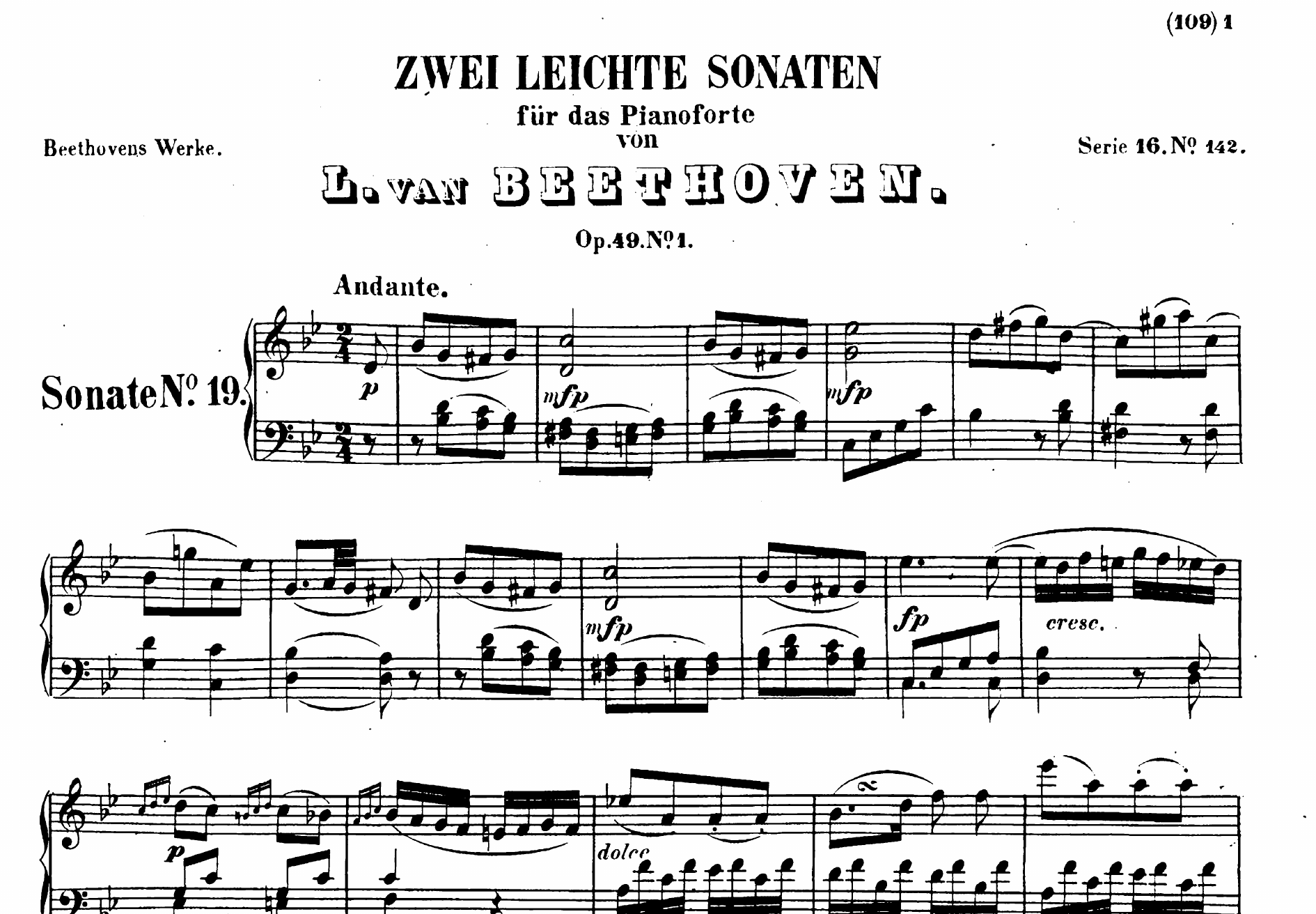
The score full screen, with your fingerings on their own layer.
Mark a passage, say what it is, and follow it through the piece.
Write by hand on blank staves.
Who it’s for
For people who study, teach, play, and write music.
Students
Prepare this week’s piece with your fingerings and walk into analysis class with the themes already marked.
Teachers
Fingering, chords, and figured bass on separate layers: show the one each lesson needs and hide the rest.
Performers
Read full screen, turn pages with a pedal, and jot down a breath or a bowing without leaving the score.
Composers
Write by hand on staff paper, without wrestling a notation editor.
The score, and nothing else.
MaestroNote opens the score full screen. On iPad, your finger turns pages and zooms, and Apple Pencil writes without switching modes. One tap brings back the controls when you need them. And a page-turn pedal works on Mac, iPad, and iPhone, so your hands stay on the instrument.
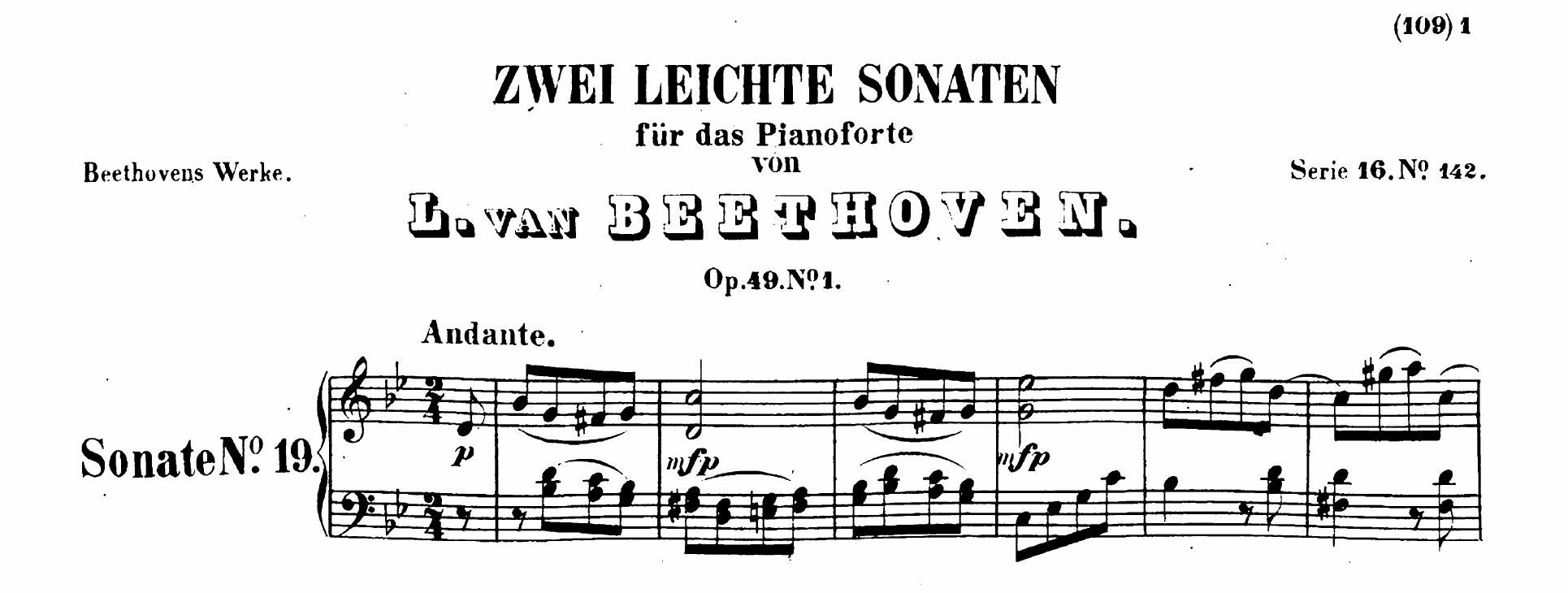
Layers
Fingering, chords, figured bass, or whatever you need, each on its own layer. Show and hide them separately.
Magic Eraser
Erase what was already in the original score, such as a fingering you don’t want or a page number. Staff lines under the brush go too, so keep to clear areas.
Pages in order
Rotate, crop margins, and reorder the pages of a scan. Your annotations stay where they belong.
On iPhone and Mac, the Ink button brings up the same tools: your finger writes on iPhone, and the pointer on Mac. On an iPad without Apple Pencil, turn on Write with Finger.
See how a piece is built.
Draw a box around a passage and say what it is: a motif, a theme, a cadence. MaestroNote saves it as material and takes you to every place it appears, even across systems and pages.
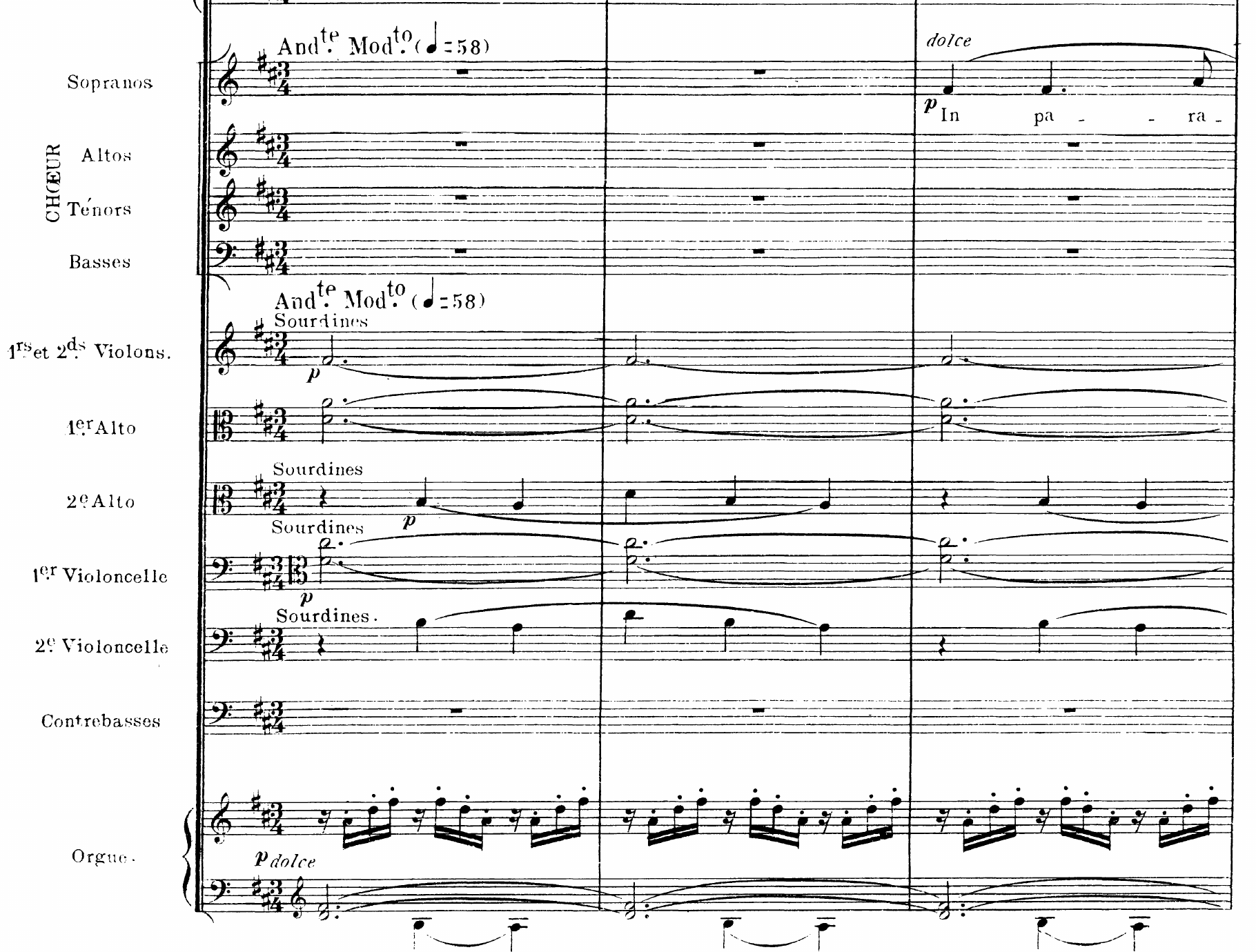
Materials and passages
A material has a name, a type, and its own notes. Each passage keeps its details: bars, instruments, key, what changes this time.
Relations
This theme develops that one; this section contrasts with the other. Relate materials without merging them, even across pieces.
Find Material
Search your whole library for “ostinato” and jump straight to the passage, whichever piece it’s in.
Side by side
On iPad and Mac, put the exposition next to the recapitulation, or next to another piece in your library. Each side turns its pages and zooms on its own, and shows the passages you’ve marked. Show in Comparison turns it to another passage of the same material.
You do the analysis. MaestroNote doesn’t recognize music automatically: it saves, organizes, and finds what you mark.
Write your music by hand.
Pieces rarely start as a score. They start as four bars you don’t want to lose. Compose takes them from there in three steps, all by hand, as on paper: no notes to drag around, no editor correcting you.
- The idea Catch it on a blank staff from anywhere, even mid-piece.
- The desk Try variants, stack sketches, and keep the scores you learn from beside them.
- The score Write the piece out clean, starting from the sketch.
1 · The idea
Catch it before it goes.
New Idea opens a single staff, ready to write. The paper grows only when the idea asks for it: a staff at a time, then a page at a time.
From anywhere
On iPhone and iPad, start one from the app icon, the Action button, Spotlight, or Siri: “New idea for Nocturne in MaestroNote” lands on that project’s desk. Mid-piece, the score’s … menu catches it, then takes you back to your page.
The right paper
Single staves, piano, voice and piano, or short score, and blank or dotted paper for what isn’t notes yet, like a formal plan or a key map. Touch and hold New Idea to pick one. Continue on Other Paper takes a melody on to short score.
Loose ideas
An idea that isn’t for a project yet waits in Loose Ideas until you move it to one, or start a project with it. A sketch in the wrong project moves just as easily, variants included.
2 · The desk
A desk for every project.
Each project keeps its sketches on a desk, wherever you put them. Try another version without losing the first, stack what belongs together, and keep the scores you’re learning from in reach.
Theme 1 variant
Theme · Variant 1 Variant of Theme
Trio 3 sketches
Variants and stacks
Duplicate as Variant copies a sketch with its ink and lays it beside the original, joined by a line, so you can try another ending without losing the first. Drop one sketch on another to stack them.
Compare sketches
On iPad, open a variant beside its original, or any two sketches from the desk, and write on both with Apple Pencil. Each side scrolls and zooms on its own.
Scores beside your sketches
Lay any score from your library on the desk, imported PDFs too: the sonata whose form you’re following, or the chorale you’re reharmonizing. It’s the same score as in your library, not a copy.
3 · The score
The piece, written out clean.
Start a score on the desk with New Score, or make one from a sketch: 1 to 32 pages, ruled for single staves, piano, voice and piano, short score, or orchestra. Write on it with Apple Pencil as on paper, even with a fountain pen whose nib opens as you press. When you want to play it, add it to your library.
From sketch to score
When a sketch is ready, Make Score from Sketch turns it into a score with the same paper, pages, and ink, and leaves the sketch as it was. On iPad, pin the sketch over the score in Play and copy from it as you write.
Paper laid out your way
Pick A4, Letter, or A3, the margins, and how many systems fit on a page. Join systems with a brace or a bracket, leave room at the top for a title, or add a light grid that lines up time across the staves.
Pages where you need them
Insert blank pages, duplicate one with or without its ink, or remove one while it’s still blank. Each page can have its own paper: a dotted page among piano pages, or an orchestra page on A3.
On each device
iPad
Apple Pencil writes ideas, sketches, and scores, and two sketches can sit side by side. With Write with Finger on, your finger writes too: in a lens that magnifies the staff on sketches, and right on the page on scores.
iPhone
Your finger writes ideas and sketches in a lens that magnifies the staff and moves along it as you go. A new score opens in Play with Ink on, where your finger writes.
Mac
Arrange the desk and read your sketches, side by side too, but not write them. A new score opens in Play with Ink on, where the pointer writes.
Your library
Organized your way, and always yours.
- Your own folders
- Organize by lesson, by repertoire, or however suits you. Nobody asks you to fill in composer, level, or genre.
- Mac, iPad, and iPhone
- A native app on each, with the same library synced through iCloud. With Handoff, the score or sketch you have open carries over to your other devices.
- Works offline
- Anything on your device can be read and annotated without a connection, even at a rehearsal with no signal.
- Originals untouched
- Importing makes a copy. Marks, crops, and corrections are stored separately from the PDF.
- Share and print
- Share or print a score as a PDF, with its pages as you read them. With Annotations brings the ink of the layers you’re showing; Without Annotations leaves the pages clean. On Mac, Export PDF saves it wherever you like.
- No account
- Nothing to sign up for. Your scores live on your device and in your iCloud.
No surprises
What MaestroNote isn’t.
A notation editor.
If you’re after something like Dorico or MuseScore, this isn’t it. Here, music is written by hand.
An automatic music reader.
It doesn’t recognize the notes in a PDF or find motifs on its own. The ear and the judgment are yours.
An AI app.
It doesn’t use AI. Your scores and annotations stay on your devices and in your iCloud.
FAQ
What people usually ask.
How much does it cost?
Nothing during the beta.
Which devices does it run on?
Mac with macOS 14 or later, and iPad and iPhone with iPadOS or iOS 17 or later.
What languages is it in?
English and Spanish. MaestroNote follows your device’s language, down to the built-in analysis types and the Siri phrases.
Do I need an Apple Pencil?
No. On iPad, Apple Pencil writes and marks passages, and your finger does too once you turn on Write with Finger. On iPhone your finger writes ideas, sketches, and scores, and on Mac the pointer does, with a drawing tablet’s pen pressure if you have one. Both mark passages in Analyze.
Does it sync between my devices?
Yes, through your iCloud account: library, scores, ink, and analysis. It isn’t instant, and it isn’t for sharing with other people.
Can I download from IMSLP or scan?
Both. Download from IMSLP…, in Play and Analyze, finds a work by title or composer and brings its PDF into the folder you have open. On iPhone and iPad, Scan Score, in Play’s New menu, scans a paper score with the camera, straightens each page, and opens the score in Play. Mac doesn’t scan, but you can import a scanned PDF from the Finder.
When does it launch?
When the beta confirms your work travels safely between devices. Join the list and we’ll tell you that day.
A note from the author
I built MaestroNote to improve a composer’s day-to-day. No frills: it’s a music notebook on steroids.
— Jonathan, creator of MaestroNote
TestFlight beta
Try MaestroNote with your own scores.
Free during the beta, on Mac, iPad, and iPhone. We’ll email you when a beta spot opens and on launch day. That’s it.